Unlocking the Benefits of Peptide Compounds: Your Roadmap to Improved Wellness
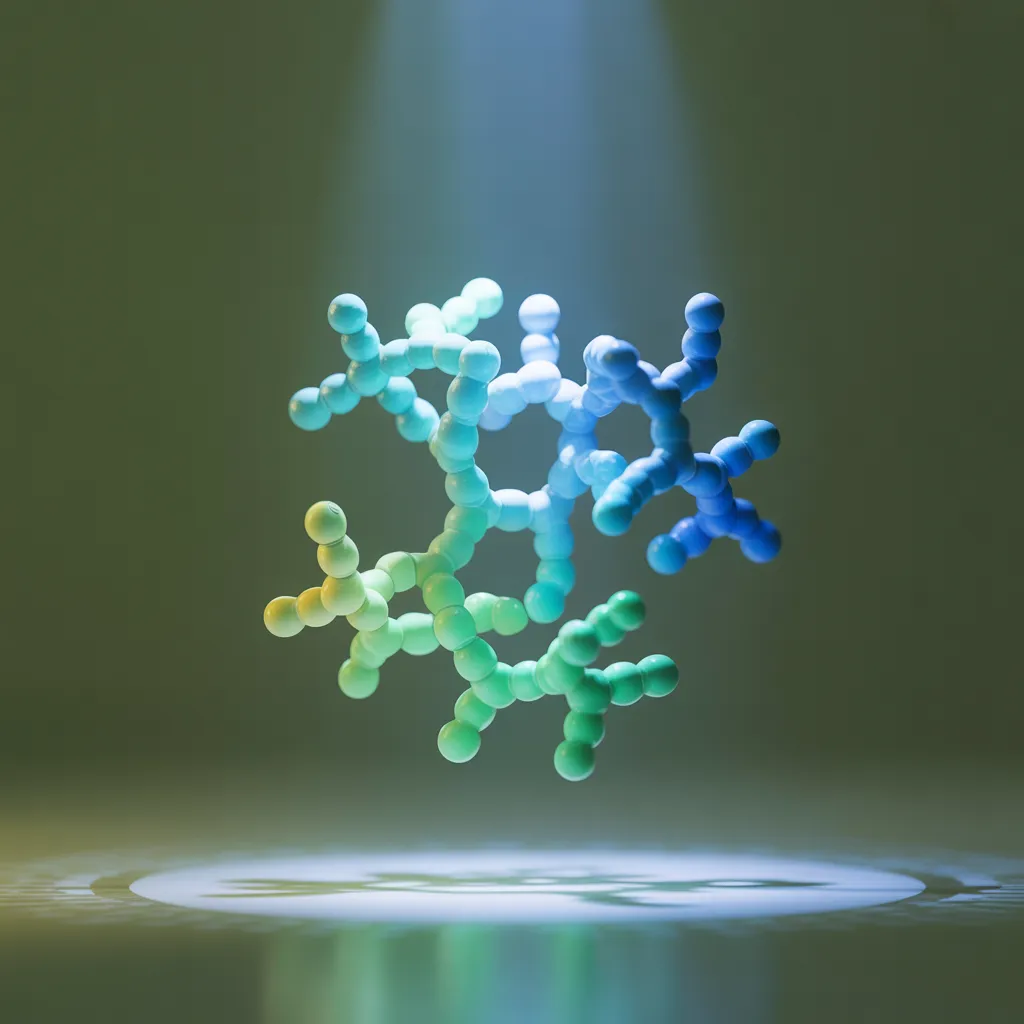
Peptides, essential amino acid chains, have attracted focus for their significant role in enhancing wellness. These biological compounds support cellular communication within cells and influence various bodily functions. Learning about how peptides operate can reveal their promising benefits. However, the challenges of their use warrant careful consideration. As individuals explore these prospects, awareness of both advantages and risks is essential. What specific pathways can peptides impact, and how might they transform health trajectories?
Peptides - What Do They Do?
Peptides are brief sequences of protein units that fulfill essential roles in various biological processes. These molecules, usually containing 2 to 50 amino acids, represent the fundamental components of proteins and are crucial to cellular functions. They can act as chemical messengers, promoting interaction between cells, and influencing numerous physiological activities.
Occurring naturally within the body, peptides play a part in hormonal regulation, immunological processes, and cellular repair. Distinctive molecular patterns within peptides establish specific functions, facilitating their involvement in diverse processes, such as growth management and metabolic function.
Peptides, beyond their inherent functions, can be created for medical purposes, providing potential benefits in fields like muscular development, weight management, and age-defying treatments. With continuous investigation, understanding of peptides keeps growing, highlighting their significance in well-being and vitality. This intricacy stresses the necessity of peptides in preserving overall biological balance and improving bodily health.
In What Manner Can Short-chain proteins Work?
Peptides work through particular operational methods that influence cellular processes and signaling pathways. Multiple peptide types pursue varied health outcomes, ranging from muscle growth to immune support. Grasping these dynamics is vital for capitalizing on their benefits in enhancing overall wellness.
Operational Process
By leveraging the power of amino acids, peptides act as chemical messengers that enable various bodily functions in the body. They bind to specific receptors on cell surfaces, initiating a cascade of molecular interactions. This engagement can affect cellular functions such as metabolism, immunological reactions, and wound healing. By replicating or amplifying the action of hormones and growth factors, peptides can control processes like protein production and cell proliferation. Additionally, they can modulate inflammation and promote healing by stimulating the discharge of certain cytokines. Their selective mechanism allows for personalized therapeutic approaches, rendering them invaluable in various health and wellness applications. Overall, peptides serve a critical function in maintaining homeostasis and optimizing bodily functions.
Types of Peptide Compounds
A broad array of peptides is present, each performing unique tasks within the body. These compounds can be categorized into various types based on their roles. Signaling peptides serve vital roles in messaging between cells, whereas transport peptides assist the transport of ions and nutrients across cell membranes. Antimicrobial peptides act as the body’s protectors against pathogens, enhancing immune response. Hormonal peptides, such as insulin, manage metabolic processes, impacting growth and energy utilization. In addition, neuropeptides are involved in transmitting nervous system signals, modulating mood and pain perception. Each peptide type is integral to maintaining homeostasis, demonstrating the complexity and importance of these small chains of amino acids in overall health and biological functions.
Focused Health Benefits
The intricate mechanisms of peptides enable them to deliver targeted health benefits across various physiological systems. By functioning as cellular messengers, peptides can affect body cell activity, supporting functions such as wound healing, immune system function, and hormonal balance. Certain peptide compounds, like insulin, directly regulate blood sugar processing, while others facilitate muscle growth and recuperation through processes like protein synthesis stimulation. Furthermore, peptides can improve dermal wellness by stimulating collagen production, thereby improving flexibility and reducing signs of aging. Their capacity to attach to targeted receptor sites enables precise action, reducing adverse reactions often associated with broader therapeutic agents. In summary, peptides represent a versatile tool in contemporary health practices, offering tailored interventions that address individual health needs efficiently.
How Protein fragments Boost Your Health and Wellness
Individuals looking for original solutions to strengthen their health and wellness, peptides have emerged as powerful biological molecules that offer a range of benefits. These short chains of amino acids hold an vital role in various physiological processes, contributing to improved bodily functions. Research indicates that peptides can enhance immune function, advance tissue repair, and sharpen cognitive performance.
In addition, peptides are recognized for helping in the management of metabolism and hormone regulation, potentially leading to better weight management and elevated energy levels. They can also stimulate collagen production, which improves skin elasticity and decreases the appearance of aging.
With a diverse array of peptides offered, individuals can potentially tailor their wellness strategies to address specific health concerns, from inflammatory conditions to anxiety management. Overall, the inclusion of peptides into health routines delivers a beneficial pathway for those pursuing overall advancement in their well-being.
Ways to Utilize Peptide compounds for Muscle Recovery
Peptides play a vital role in muscle recuperation by providing multiple varieties tailored to specific needs. Comprehending the appropriate dosage and administration methods is crucial for maximizing their benefits. Furthermore, controlling when you consume of these peptides can significantly affect recovery outcomes.
Types Of Recovery Compounds
Recovery peptides play an essential role in optimizing muscle repair and enhancing performance. A variety of recovery peptides are known for their particular benefits. For example, BPC-157 is appreciated for its tissue repair properties, aiding faster healing from injuries. TB-500, another important peptide, supports muscle regeneration and reduces inflammation, facilitating faster recovery post-exercise. Collagen peptides also aid by supporting joint health and strengthening overall connective tissue resilience. Additionally, IGF-1 (Insulin-like Growth Factor 1) stimulates muscle growth and supports recovery by enhancing protein synthesis. Each of these peptides focuses on various aspects of recovery, making them valuable tools for athletes and fitness enthusiasts wanting to improve their performance and accelerate healing.
Dosage And Administration Advice
Identifying the ideal dosage and administration method for recovery peptides is fundamental to maximize their benefits. It’s recommended to consult with medical specialists for personalized guidance since individual requirements vary based on factors like body weight, activity level, and recovery goals. Dosage typically falls between 1 and 5 milligrams daily, split across multiple administrations. Subcutaneous injections are the preferred method, providing optimal absorption. Adhering strictly to the manufacturer’s instructions regarding reconstitution and storage of peptide solutions is important. Users should follow a consistent schedule to boost effectiveness. Careful monitoring of the body's response enables dosage adjustments, ensuring that individuals reach their targeted muscle recovery outcomes safely and efficiently.
Timing Your Peptide Intake
When is the ideal time to ingest peptides for muscle restoration? To maximize their rewards, it is recommended to introduce peptides immediately post-exercise. This moment allows for optimal absorption when the body is conditioned for nutrient assimilation. Investigations reveals that peptides can facilitate in muscle repair and growth, making post-workout the most effective window for intake.
Additionally, several competitors discover benefits in a second portion before sleep to facilitate overnight recuperation. Regularity in timing improves the overall effectiveness of the peptides. It is crucial, however, to follow specific dosing guidelines and monitor individual reactions to achieve the optimal outcomes. Pairing peptide intake with a balanced diet and proper fluid intake further promotes muscle recovery and overall wellness.
How Peptides Can Aid You in Managing Weight
Peptides function as a potential instrument for body weight regulation, presenting a multifunctional framework to reaching and preserving a healthy body structure. These brief chains of proteins are essential in multiple physiological processes, including metabolic control and appetite suppression. Certain peptides, such as GLP-1 and ghrelin, have demonstrated to improve insulin response and foster a sense of satisfaction, thus lowering food intake.
Moreover, peptides can stimulate the decomposition of fat stores, facilitating weight loss while maintaining lean muscle mass. By modulating hormonal pathways, they can efficiently regulate energy expenditure and fat storage. Research demonstrates that incorporating specific peptides into a weight management plan may boost results when paired with a balanced diet and regular exercise. As interest in peptide therapies grows, individuals seeking to manage their weight may find helpful resources in these innovative compounds, creating improved health outcomes.
Peptides for Skin Health Improvement
Tapping into the potential of peptides can greatly improve skin health by delivering a range of benefits from enhanced hydration to less visible signs of aging. Peptides, known as short chains of amino acids, hold a crucial role in signaling skin cells to execute essential functions. They promote collagen production, which increases skin elasticity and firmness. Moreover, specific peptides help to increase moisture retention, leaving the skin looking plump and radiant.
Additionally, peptides feature anti-inflammatory properties that can assist in calming inflamed complexion and minimize skin discoloration. Through facilitating cellular repair, they result in an improved skin tone and texture. Numerous skincare products today contain peptides to address varied skin issues, including fine lines, wrinkles, and comprehensive skin condition. While research continues revealing their capabilities, peptides emerge as a promising option for individuals aiming to enhance their skin health effectively and naturally.
Comprehending the Hazards and Negative Consequences of Peptide Use?
Although peptides provide numerous benefits for wellness, it is crucial to consider the possible risks and adverse reactions linked to their use. While many individuals experience positive outcomes, negative effects can happen, extending from mild to severe. Typical adverse reactions include injection site reactions, such as irritation or inflammation, headaches, and gastrointestinal disturbances.
Furthermore, the sustained consequences of peptide use stay largely unstudied, amplifying worry about potential hormonal imbalances and organ stress. Some peptides may interact with other therapeutic agents, generating unforeseen complications.
People with prior health issues or those who are expecting should be careful and consult healthcare professionals before starting peptide therapy. Overall, while peptides can enhance wellness, a comprehensive knowledge of their risks is essential for informed decision-making and safe use.
Frequently Asked Questions
Is it possible utilize Peptides in tandem with Other Dietary supplements?
Peptides can easily be combined with other supplements. However, it is critical to factor in possible interactions and unique medical circumstances. Seeking professional medical advice guarantees safe and effective combinations aligned with specific wellness goals.
How much time Does It Take to See Results From Peptides?
Results from peptides generally show within four to twelve weeks, depending on individual factors and specific peptides used. Regular use and complementary lifestyle choices may enhance the potency and speed of noticeable outcomes.
Are Peptides Secure for Long-Term Use?
Peptides are commonly seen as secure for long-term use, though individual responses can differ. Consulting with medical practitioners is important to monitor effects and change doses, ensuring optimal benefits while reducing potential risks tied to extended treatment.
Can Peptides Suitable for Youthful preservation Uses?
Peptides can certainly be employed for age-defying applications. They may enhance skin elasticity, minimize wrinkles, and stimulate collagen production, leading to a younger look. However, outcomes can differ among individuals and require consistent use.
Which Sources Serve as the Greatest for Buying Peptides?
Reputable suppliers for purchasing peptides consist of licensed pharmacies, certified online retailers, and specialized health clinics. It is crucial to verify the supplier's credentials and ensure products complete rigorous quality testing for safety start here and efficacy.